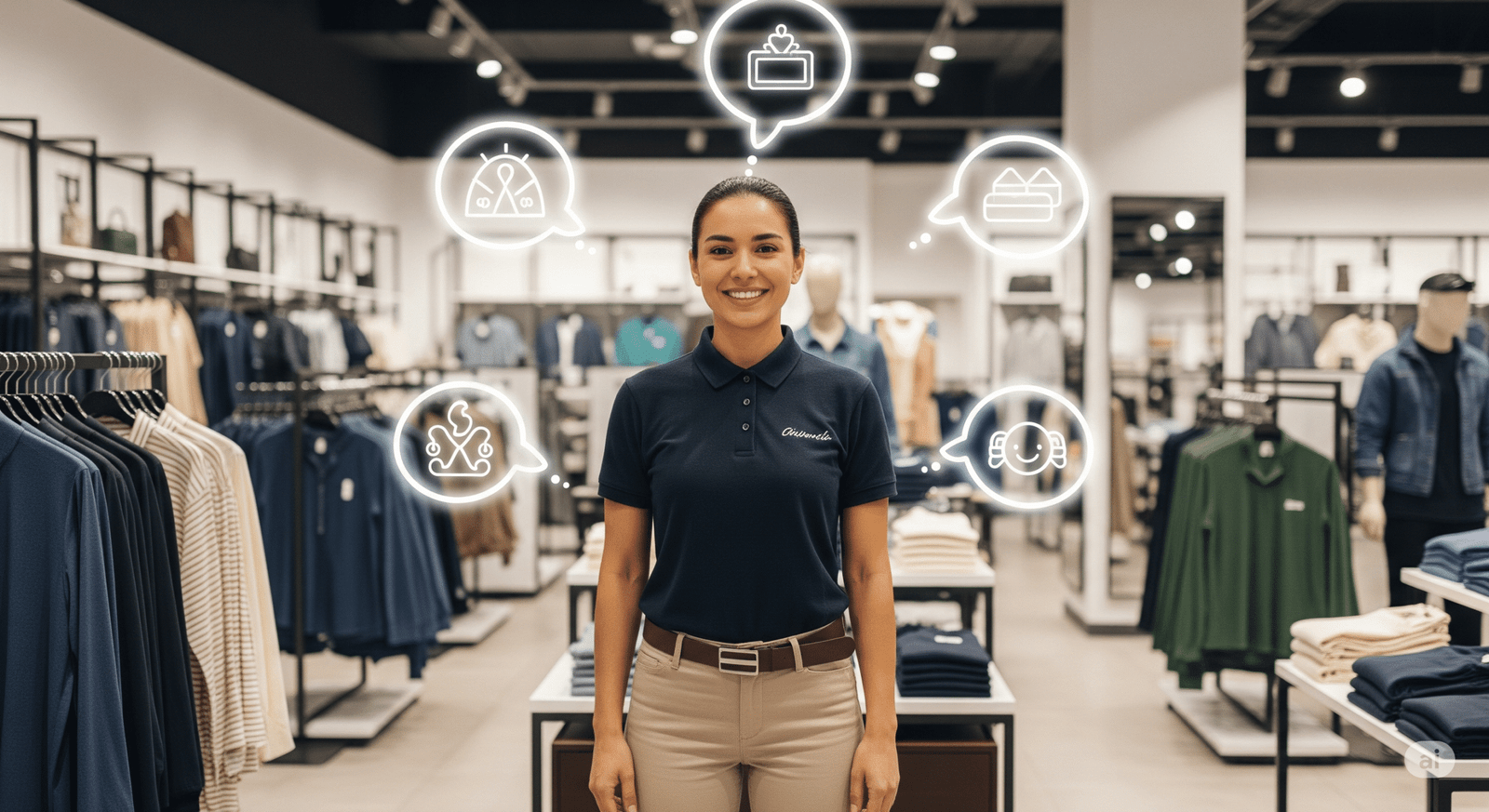
n today’s highly competitive retail landscape, customers are not just shopping for products—they’re looking for experiences. One of the most overlooked yet impactful ways to create a memorable shopping experience is through effective merchandising. Whether it’s the way products are displayed, the lighting in the store, or the strategic placement of promotional items, merchandising plays a critical role in driving sales, influencing buying decisions, and establishing brand identity.
But why does merchandising matter now more than ever before?
Let’s explore.
1. First Impressions Drive Engagement
We live in a world where consumers make snap decisions—within seconds. That means the moment someone walks into a store (or even glances at a shop window), they are already forming opinions. Merchandising is the art of managing this first impression.
A well-merchandised store communicates professionalism, cleanliness, brand personality, and trustworthiness. In contrast, a poorly merchandised store may come across as disorganized or uninviting, potentially driving customers away before they even explore the shelves.
Key Tip: A clean layout, clear signage, and appealing product arrangements can significantly increase the time a customer spends in-store—and the chances they’ll make a purchase.
2. It Maximizes Sales Potential
One of the most practical benefits of good merchandising is increased revenue. By using strategic placements—such as end caps, eye-level shelves, and impulse-buy sections—retailers can guide customers toward high-margin or high-demand products.
For example:
- Products placed at eye level sell better than those placed higher or lower.
- Grouping complementary items (e.g., chips near dips) encourages multiple purchases.
- Cross-merchandising—such as placing batteries near electronics—drives add-on sales.
When executed correctly, merchandising becomes an invisible salesperson that works around the clock.
3. Reinforces Brand Identity
Every retail space is an opportunity to tell your brand’s story. From colors and textures to lighting and music, merchandising creates a consistent brand experience that customers will remember.
For national chains and franchises, consistent merchandising across locations reinforces professionalism and brand integrity. For smaller retailers, it can help carve out a unique identity in a crowded marketplace.
Modern merchandising is storytelling. Every display, shelf, and aisle is a visual chapter in your brand’s narrative.
4. Supports Promotions & Seasonal Campaigns
Promotional and seasonal merchandising helps customers connect emotionally with products. Think of the cozy, warm displays during the holidays, or the refreshing, beach-themed layouts in summer. These seasonal transformations not only capture attention but also boost impulse buying.
Effective merchandising can bring life to limited-time offers, clearance events, and new arrivals. It turns an ordinary promotion into a compelling, visual experience that resonates with shoppers.
Tip: Having a reliable merchandising staff during peak seasons ensures your displays are always timely, relevant, and enticing.
5. Encourages Customer Flow & Navigation
Beyond visual appeal, merchandising also plays a functional role: guiding the customer journey through the store. Retailers can influence how customers move through their space with strategic layouts—ensuring key products are seen and aisles aren’t congested.
Popular strategies include:
- Decompression Zones: A clear, open area at the entrance that allows customers to adjust to the store environment.
- Power Walls: Strong, high-impact displays to the right of the entrance (since most people turn right when they enter).
- Speed Bumps: Small displays in aisles that slow customers down and grab attention.
When the shopping experience feels smooth and intuitive, customers are more likely to stay longer—and spend more.
6. Adapts to Changing Consumer Behavior
Today’s customers are more informed and demanding than ever. They come into stores with smartphones in hand, comparing prices, reading reviews, and expecting seamless experiences. As a result, physical stores must offer something the online world can’t: sensory engagement and instant gratification.
Merchandising is how brick-and-mortar retailers fight back.
Touching a product, seeing it styled in a real-life setting, or discovering a surprise display creates emotional triggers that digital experiences can’t fully replicate. That’s why immersive, in-store merchandising is more essential than ever in this digital-first age.
7. Reflects Inventory & Operational Excellence
Messy shelves, expired products, and empty displays do more than hurt aesthetics—they erode customer trust. Merchandising ensures that inventory is rotated, stocked, and aligned with sales strategies.
Efficient replenishment and real-time merchandising reflect a well-run operation, making customers more confident in their purchases and more likely to return.
With retail competition higher than ever, there’s no room for poor execution.
8. It’s a Key Part of Omnichannel Strategy
Retailers today must bridge the gap between in-store and online shopping. Merchandising can do this by integrating QR codes, click-and-collect signs, and digital displays into the physical environment.
For example:
- A QR code next to a product can offer reviews or demo videos.
- In-store signage can promote exclusive online discounts.
- Digital screens can display live inventory or suggest related products.
In this way, merchandising supports a seamless customer journey across all platforms.
9. Data-Driven Merchandising is the Future
Thanks to retail analytics, today’s merchandising strategies are more informed than ever. Retailers can now track foot traffic, dwell time, and purchase patterns to fine-tune displays and layouts.
AI-powered heat maps, planograms, and POS data provide insights into what’s working—and what’s not. This means merchandising is no longer just creative; it’s also scientific.
Retailers that combine creative displays with data-backed decisions can dramatically increase profitability.
10. You Can’t Afford to Ignore It
In an economy where consumer expectations are high and attention spans are short, merchandising is your frontline defense—and offense. Whether you’re a small boutique or a national retailer, investing in strong merchandising can:
- Increase sales
- Build brand loyalty
- Improve in-store experience
- Reduce return rates
- And strengthen competitive advantage
It’s not a luxury—it’s a necessity.
Final Thoughts
As shopping habits evolve, merchandising remains one of the most powerful tools in a retailer’s arsenal. It’s more than just product placement—it’s a strategy that connects people to products, enhances brand perception, and drives meaningful engagement.
At Retail Specialist Services, we understand the art and science behind effective merchandising. Our trained staff is ready to help you turn your retail space into a selling machine—whether it’s for a seasonal campaign, product launch, or everyday excellence.